I'm late to the supplements blog hop party, but I've wanted to write about it for a little while because it's something I'm agonizing over right now.
Tristan has been on various regimens in the past, and here's what he's getting right now.
1/2 quart of Blue Seal Carb Guard, AM & PM
Basically nothing, basically cardboard. He's been on this since his Cushings diagnosis. It does the job of making him feel like he's getting grain, serving as a vehicle for his meds, and giving him at least some very, very basic nutrition that he's not getting out of hay or grass.
1 gram of pergolide, AM, ~$0.50 per day
Cushings meds. Non-negotiable. They keep him alive (or, at least, from progressing in a nasty degenerative condition). He's held quite well on 1 gram, but we test regularly and keep a close eye on him. I expect that this will increase at some point in the (hopefully distant) future. I've toyed with the idea of Prascend, the name brand tablet version, but can't talk myself into it since he does just fine on the compounded powder.
200mg of cetirizine, AM & PM, ~$3.00 per day
Summer allergy meds. Not cheap. But they prevent the hives, and they are seasonal - roughly 2.5 months out of the year. So this is more like an annual expense of $500 or so than an ongoing monthly cost.
6mL Pentosan, IM, every 4 weeks, ~$15 per dose
Tris does fantastically well on this, and I have zero intentions of changing it. It's far cheaper than Adequan or joint injections, and I can feel the difference in our rides in the week after he gets a dose. I'm actually considering moving him to every 3 weeks.
In general nutrition terms, he's also out on grass and eats about 4 flakes of hay a day.
Now, the part I'm thinking through hard.
Right now, he's on SmartVite Perform Senior, 2 scoops or about 100mg a day, and 10,000 mg of MSM a day, also through SmartPak.
As anyone who has ever fed SmartPaks knows, they are convenient and terrific...and expensive. Tristan's run me about $45 per month, and I am staring down the gullet of several thousand dollars in vet bills between his hijinks and then the dog's.
If I saw a clear, obvious, discernable benefit from the supplements I would not be having this conversation. I'd find a way to make it work.
But I'm not entirely sure he's eating them. I think he's powderizing the supplements and picking out his grain. He's definitely leaving a lot of mashed up formerly-pellet powder in his grain bucket. I need to do some definitive tests to be sure it's the supplements and not the grain he's leaving behind - and vice versa - but he's done this before with other supplements.
If he's truly not eating them, then I have two options: just cancel them and let him be on what he's eating now, or find something else that he will eat.
He's on the SmartVite because I wanted, essentially, a multivitamin. Time on grass is limited in Vermont, and he gets so little grain he's certainly not getting the full benefit of whatever might be in that. I wanted to cover up any gaps he might have in his nutritional profile with the feed-through equivalent of a band-aid, which I admit is a bit lazy of me.
But do I really need to do that? Is there something I could be doing better? Is he really not even eating the supplements and I'm spending $$ on powder that gets dumped from his grain bucket? I'm a bit nervous about dropping the idea of a vitamin supplement out of his diet entirely.
Anyone have consoling thoughts for me? Suggestions of other vitamin supplements or ration balancers?

Bel Joeor: Life + Horses
Showing posts with label cushings. Show all posts
Showing posts with label cushings. Show all posts
Wednesday, July 26, 2017

Thursday, May 26, 2016
The Supplement Dance
I've talked before about Tristan's nutrition and diet, and the ways I've tweaked that.
For many years, I've been a faithful user of HorseTech supplements. I still love them. I still think they're the best quality, best customer service, best availability/combination of ingredients you can get.
But.
(Of course there's a but - otherwise there would not be a blog post.)
Tristan is very slowly - incrementally - almost imperceptibly - becoming a pickier eater. I don't know if it's age, Cushings, or what. The fact remains that my little rescue horse, who used to hoover up everything in his immediate vicinity - edible or not - is just a touch fussy now.

For some time now, he doesn't eat his morning grain until he gets back from turnout. When you toss him his breakfast he spurns it in favor of hay. Granted: he does not get much (about 1.5 cups at a time) and it's a really bland grain (Blue Seal's Carb Guard). Still, two or three years ago, Tristan turning away from grain would have been a sign of the apocalypse. Do not pass go, do not collect $200, call the vet immediately.
HorseTech supplements are typically a powder, and Tristan started actively leaving the powder behind. I added flavoring. That worked for a little while. I switched his supplements - High Point Grass/Mixed Hay and ReitHoof - to pellets from powder when that became available. That worked for a little while. Then it didn't. The barn manager thought that he was sniffing through the pellets carefully, picking out the grain, and in the process smooshing the pellets back into powder with his nose, guaranteeing he would not eat them.
In the last few weeks, we have arrived at an impasse. I knew I wanted Tristan on an overall vitamin/mineral package, but I just wasn't excited by anything the barn already offered or I could purchase locally at Tractor Supply.
Last week during yet another SmartPak 50% off sale, I made a choice. I started Tristan on SmartPak supplements. First, I added SmartVite Senior Perform as his basic vitamin/mineral supplement.
I also spent quite a bit of time thinking about muscle supplements. In the past, I've added some alfalfa for extra protein to support muscle growth, but I never saw a huge difference. I looked at a few different muscle supplements, and then I looked more closely at how they matched up with SmartPituitary Senior Pellets.
One of the key symptoms of Cushings is muscle wasting, and it's one of Tristan's biggest indicators, so any Cushings-oriented supplement would have plenty of muscle support. It fit my bill, was a bit less pricey than the other supplements I looked at, and I'll be curious to see if it helps support him in any other way. He is a very, very low-symptom Cushings horse, responding well to the pergolide with few (if any) spikes in his bloodwork, even seasonally, so I felt like a little bit of support would help but not that I would be crushed if it didn't help him.
We're about a week in, and he's eating both of them just fine. It's obviously way too early to see any clear results, but we'll see!
For many years, I've been a faithful user of HorseTech supplements. I still love them. I still think they're the best quality, best customer service, best availability/combination of ingredients you can get.
But.
(Of course there's a but - otherwise there would not be a blog post.)
Tristan is very slowly - incrementally - almost imperceptibly - becoming a pickier eater. I don't know if it's age, Cushings, or what. The fact remains that my little rescue horse, who used to hoover up everything in his immediate vicinity - edible or not - is just a touch fussy now.

though he still gets mad when he has to work instead of eat dinner
For some time now, he doesn't eat his morning grain until he gets back from turnout. When you toss him his breakfast he spurns it in favor of hay. Granted: he does not get much (about 1.5 cups at a time) and it's a really bland grain (Blue Seal's Carb Guard). Still, two or three years ago, Tristan turning away from grain would have been a sign of the apocalypse. Do not pass go, do not collect $200, call the vet immediately.
HorseTech supplements are typically a powder, and Tristan started actively leaving the powder behind. I added flavoring. That worked for a little while. I switched his supplements - High Point Grass/Mixed Hay and ReitHoof - to pellets from powder when that became available. That worked for a little while. Then it didn't. The barn manager thought that he was sniffing through the pellets carefully, picking out the grain, and in the process smooshing the pellets back into powder with his nose, guaranteeing he would not eat them.
In the last few weeks, we have arrived at an impasse. I knew I wanted Tristan on an overall vitamin/mineral package, but I just wasn't excited by anything the barn already offered or I could purchase locally at Tractor Supply.
Last week during yet another SmartPak 50% off sale, I made a choice. I started Tristan on SmartPak supplements. First, I added SmartVite Senior Perform as his basic vitamin/mineral supplement.
I also spent quite a bit of time thinking about muscle supplements. In the past, I've added some alfalfa for extra protein to support muscle growth, but I never saw a huge difference. I looked at a few different muscle supplements, and then I looked more closely at how they matched up with SmartPituitary Senior Pellets.
One of the key symptoms of Cushings is muscle wasting, and it's one of Tristan's biggest indicators, so any Cushings-oriented supplement would have plenty of muscle support. It fit my bill, was a bit less pricey than the other supplements I looked at, and I'll be curious to see if it helps support him in any other way. He is a very, very low-symptom Cushings horse, responding well to the pergolide with few (if any) spikes in his bloodwork, even seasonally, so I felt like a little bit of support would help but not that I would be crushed if it didn't help him.
We're about a week in, and he's eating both of them just fine. It's obviously way too early to see any clear results, but we'll see!
Thursday, February 11, 2016
Eating crow and why the internet is awesome
I am really pleased with the way Tristan is going right now. He's really sound, he's working well, and he is getting slowly but surely more fit. After a long and tough ride on Monday, he was quite tired but his vital signs returned to baseline much more quickly than they have before.
I'm working mostly on a day on, day off schedule to ramp up work and then give him time to rest. He's always been a horse that has benefited mentally and physically from rest days. On days when I am out there back to back, I do another kind of work with him - I longe or we hack out.
He's still very slow to build muscle. The Cushings has just really gone after that part of his metabolism, for whatever reason. It's been a solid six weeks of very good work now and I'm only seeing the most incremental changes in his body. Physically, he feels like he should have more muscle than he does. I'm not sure what to do with that yet.
On Monday, I took some photos to show how his neck is developing basic muscle, and also to show how far we have to go.


I'm working mostly on a day on, day off schedule to ramp up work and then give him time to rest. He's always been a horse that has benefited mentally and physically from rest days. On days when I am out there back to back, I do another kind of work with him - I longe or we hack out.
He's still very slow to build muscle. The Cushings has just really gone after that part of his metabolism, for whatever reason. It's been a solid six weeks of very good work now and I'm only seeing the most incremental changes in his body. Physically, he feels like he should have more muscle than he does. I'm not sure what to do with that yet.
On Monday, I took some photos to show how his neck is developing basic muscle, and also to show how far we have to go.


As always, it does look better in person, but you can see some things. His crest is doing better, and he's filling in just in front of his shoulder a bit.
There's a problem, though. I couldn't quite figure it out until I read Jenj's recent blog post and put two and two together.
Can you see it now?

Yeah. He's developing a funny muscle bump in response to the way I've been asking him to bend. Exactly as described in Jenj's blog post.
Bugger.
Knowing is half the battle, right? Back to boot camp for both of us.
Tuesday, November 10, 2015
Fall 2015 Cushings Update
So, continuing on in our Cushings journey.
Previously: Tristan's fall 2014 ACTH levels were back within normal range, and he had a good spring and summer.

Previously: Tristan's fall 2014 ACTH levels were back within normal range, and he had a good spring and summer.

My horse is sad because jump standards are not part of his diet.
Tris has not had a ton of work in these past weeks; every time I think my work schedule is about to even out, it ramps up again. The house has been taking the lion's share of my mental and physical energy. I'm getting him worked maybe 3x a week in light work. So his physical condition from exercise is not terrific.
Overall, though, he's in great shape as we head into the winter. Last week, on November 4, he got an updated flu/rhino vaccine, an overall physical, and his vet pulled blood to run another ACTH level so we could make sure we were on track.
She was pleased with his overall condition and demeanor, and reported that he tolerated her kissing his nose several times. Good pony. <3
Last night, we got his ACTH levels back: 33.7 pg/mL, which falls within the normal range of 9-35. It's a smidge on the high normal side, but the vet was not concerned, and it's definitely still within a safe range.
So: good boy, Tris!
For reference and future blog posts: he is down to 1/4 quart of Blue Seal's Carb Guard AM + PM, still on what grass is left, and 3-4 flakes of hay. He also gets a ration balancing vitamin & mineral supplement and a hoof supplement. He is maintaining a healthy weight just fine on that. He's started his blanket rotation for the season - depending on overnight temps, he's in either a stable sheet, turnout sheet, or slightly thicker honeycomb sheet. He seems more comfortable with the temperature swings this year, knock wood.
Tuesday, July 14, 2015
Cushings Update: Summer Edition
After reading this blog post from Flying Free, I realized it's been a while since I updated on Tristan's Cushings. For previous entries, check out the Cushings tag.
This is definitely one of those "no news is good news" situations. He's been doing amazingly well. He's maintaining on 1mg of pergolide a day, and eating it without any difficulties. After the Wedgewood Pharmacy scare, there have been no problems with the supply of the drug itself.

Right now, he's on about three flakes of hay a day, 1/2 Q of Blue Seal's Carb Guard in the morning and at night, and about 3 hours of grass a day. Remember, he does not have associated insulin issues, so he's still fine to have access to grass. We're careful about what grass he gets and how much of it he gets, but there's no physiological reason he can't have it. The barn was unbelievably good about getting ready for grass turnout: he and the other Cushings horse got acclimated to grass in 5 minute intervals, adding on 5 more minutes every other day, for two weeks until they got up to an hour.
One of the main reasons that we first suspected Cushings was because he just would not gain or keep muscle or fitness. I'm really happy to report that both of those things are dramatically improved this summer. He came out of the winter in beautiful condition (even after the worst winter ever!), and with a careful conditioning program has bounced back amazingly well. His summer coat is shiny, fine, and soft, with not a hint of coarse growth or overgrowth.

Saturday night, for example, he had a solid 55 minutes of trot set work in intervals, with about 8 minutes of canter in short bursts (30 seconds - 1 minute at a time). He finished barely winded, and only sweaty under the girth and under his bridle. o.O
He often feels muscle-tired but not winded or overly tired, like he's had a good lifting exercise and would like to be done working on those muscle groups, but not overall body-exhausted. That's to be expected, since he's working on a higher and higher degree of collection with each ride as we ease back into more intensive dressage work.
In short - knock wood - I have my horse back. Whew. :)
This is definitely one of those "no news is good news" situations. He's been doing amazingly well. He's maintaining on 1mg of pergolide a day, and eating it without any difficulties. After the Wedgewood Pharmacy scare, there have been no problems with the supply of the drug itself.

Showing off his summer condition.
Right now, he's on about three flakes of hay a day, 1/2 Q of Blue Seal's Carb Guard in the morning and at night, and about 3 hours of grass a day. Remember, he does not have associated insulin issues, so he's still fine to have access to grass. We're careful about what grass he gets and how much of it he gets, but there's no physiological reason he can't have it. The barn was unbelievably good about getting ready for grass turnout: he and the other Cushings horse got acclimated to grass in 5 minute intervals, adding on 5 more minutes every other day, for two weeks until they got up to an hour.
One of the main reasons that we first suspected Cushings was because he just would not gain or keep muscle or fitness. I'm really happy to report that both of those things are dramatically improved this summer. He came out of the winter in beautiful condition (even after the worst winter ever!), and with a careful conditioning program has bounced back amazingly well. His summer coat is shiny, fine, and soft, with not a hint of coarse growth or overgrowth.

Conformation shot, early June
Saturday night, for example, he had a solid 55 minutes of trot set work in intervals, with about 8 minutes of canter in short bursts (30 seconds - 1 minute at a time). He finished barely winded, and only sweaty under the girth and under his bridle. o.O
He often feels muscle-tired but not winded or overly tired, like he's had a good lifting exercise and would like to be done working on those muscle groups, but not overall body-exhausted. That's to be expected, since he's working on a higher and higher degree of collection with each ride as we ease back into more intensive dressage work.
In short - knock wood - I have my horse back. Whew. :)
Tuesday, May 12, 2015
NOT COOL, WEDGEWOOD
So my whole life is in two places right now, with moving. Last night, I stopped by the apartment to pack a few more boxes and get mail.
One of my letters was from Wedgewood Pharmacy: Tristan's pergolide was being recalled. One of the ingredients it was compounded with had been exposed to penicillin, and the entire lot needed to be sent back.
 Great. I made a mental note to follow up, and then because my life right now, forgot it. Then I got a call from the barn manager this morning following up: all the other horses in the barn had gotten the recall notice too. She didn't feel comfortable feeding the pergolide they had until we got more.
Well, shit. Withdrawing from pergolide is not a good thing. It's meant to be a longterm, daily, maintenance medication. Horses can go downhill very quickly, from metabolic crashes to foundering. Is there a chance he'd be just fine? Yes. Was I willing to take that chance? HELL NO.
Next call, back to the pharmacy, to try to make absolutely sure that Tristan's pergolide was on the recall list, because I'd left the letter at home. They didn't have that information. The rep could not tell me whether or not the prescription they had on record for me was part of the recall. What the fuck?
Fine, I said, I'll just order a new bottle now. I explained that it was a crucial daily medication, and that I was more than a little bit frustrated that they had not provided any avenue for replacing the drugs. They were nice but didn't actually provide any help.
Finally I got them to agree that they would waive shipping charges, but wait: there was no refill on my account.
So I called my vet, who said yeah, I just got the letter and I read through it and followed up. The recall was because one of the ingredients that Wedgewood used to compound the drug had been exposed to penicillin during the manufacturing process. Not the end of the world, probably, but still recalled, still had to go back.
Vet was less than pleased at how Wedgewood was handling things, too. She called in the script, and said that if they gave me any grief to let her know and we would switch to a Vermont-based compounding pharmacy that she's starting to work with. In the meantime, she felt confident that because the horses had all been getting doses of this all along, they could get one more dose today.
I texted all that to the barn manager, then called Wedgewood back, who placed the order for the new bottle of pergolide. I told them it needed to be here overnight, for dosing tomorrow morning.
The rep did a whole song and dance about how they were only planning on waiving the standard shipping fee, not the overnight, and I would have to pay an additional $23 to ship it overnight.
I explained to him in no uncertain terms, using small, precise words, that this was a crucial daily medication, that it was their screw-up, and that I was beyond frustrated that they had pulled the medication with no backup plan. I told them I would not compromise my horse's health for their mistakes. I was polite but very firm.
Finally, he agreed to waive the overnight fee, and submitted the prescription right away.
That does not fix the fact that I have to be in three places at once tomorrow when the prescription arrives at my front door, but I will cross that bridge when I come to it and figure out a way to get it to the barn in time for evening feeding.
In short: really, really shitty customer service. You would think that a pharmacy, of all places, would understand the concept of important daily medication and would have plans in place to deal with the fallout when they recalled said medication but NOPE. You would be wrong.
One of my letters was from Wedgewood Pharmacy: Tristan's pergolide was being recalled. One of the ingredients it was compounded with had been exposed to penicillin, and the entire lot needed to be sent back.

Well, shit. Withdrawing from pergolide is not a good thing. It's meant to be a longterm, daily, maintenance medication. Horses can go downhill very quickly, from metabolic crashes to foundering. Is there a chance he'd be just fine? Yes. Was I willing to take that chance? HELL NO.
Next call, back to the pharmacy, to try to make absolutely sure that Tristan's pergolide was on the recall list, because I'd left the letter at home. They didn't have that information. The rep could not tell me whether or not the prescription they had on record for me was part of the recall. What the fuck?
Fine, I said, I'll just order a new bottle now. I explained that it was a crucial daily medication, and that I was more than a little bit frustrated that they had not provided any avenue for replacing the drugs. They were nice but didn't actually provide any help.
Finally I got them to agree that they would waive shipping charges, but wait: there was no refill on my account.
So I called my vet, who said yeah, I just got the letter and I read through it and followed up. The recall was because one of the ingredients that Wedgewood used to compound the drug had been exposed to penicillin during the manufacturing process. Not the end of the world, probably, but still recalled, still had to go back.
Vet was less than pleased at how Wedgewood was handling things, too. She called in the script, and said that if they gave me any grief to let her know and we would switch to a Vermont-based compounding pharmacy that she's starting to work with. In the meantime, she felt confident that because the horses had all been getting doses of this all along, they could get one more dose today.
I texted all that to the barn manager, then called Wedgewood back, who placed the order for the new bottle of pergolide. I told them it needed to be here overnight, for dosing tomorrow morning.
The rep did a whole song and dance about how they were only planning on waiving the standard shipping fee, not the overnight, and I would have to pay an additional $23 to ship it overnight.
I explained to him in no uncertain terms, using small, precise words, that this was a crucial daily medication, that it was their screw-up, and that I was beyond frustrated that they had pulled the medication with no backup plan. I told them I would not compromise my horse's health for their mistakes. I was polite but very firm.
Finally, he agreed to waive the overnight fee, and submitted the prescription right away.
That does not fix the fact that I have to be in three places at once tomorrow when the prescription arrives at my front door, but I will cross that bridge when I come to it and figure out a way to get it to the barn in time for evening feeding.
In short: really, really shitty customer service. You would think that a pharmacy, of all places, would understand the concept of important daily medication and would have plans in place to deal with the fallout when they recalled said medication but NOPE. You would be wrong.
Wednesday, April 1, 2015
Early Spring Cushings Update
When last I updated on Tristan's progress with Cushings, it was late November and we got the great news that his ACTH levels were back within normal limits.
Once we realized that he needed to be blanketed for cold this winter, because the disease was playing havoc with his temperature regulation, he went into his full blanket rotation. That worked really well. I checked on him constantly, and had lots of ongoing conversation with the barn manager about how he was coping. He trucked along beautifully in his assortment of blankets, and we figured out his parameters for each blanket, about which more later.
After his first full winter of being blanketed, he only developed the slightest hint of the beginning of a rub from once blanket, and we just swapped it out. Problem solved. He's got a spot on his mane that is less than ideal, but it's also very far from rubbed out - just a little thinner & shorter.
He gained both muscle tone and weight through the winter. Not enough of the former, a bit too much of the latter. The barn worked really hard in this unbelievably cold weather to get them as close to free choice hay as possible, and we even ended up cutting out the alfalfa pellets from Tristan's diet and scaling back his ration of Carb Guard.
Right now, he's actually borderline too heavy for my own preferences. I've always kept him on the lean side, because he's such an easy keeper. He's also waaaaaaaaay out of shape, even with the improved muscle tone, because of this #$@&#$ winter.
He is alert, happy, and shedding like crazy right in sync with his normal shedding time and amount.
He saw the vet late last week for a physical, teeth floating, and vaccinations, and here's what she had to say in her report:
Haircoat appropriate length/thickness for season and there is no topline wasting or other subjective signs of Cushing's disease.
Body Condition Score = 5/9. Perfect!! Ribs can be felt easily but not seen unless in the right light. This is an ideal body weight for your animal.
Excellent teeth with shiny pulp cavities and no evidence of diseased teeth or feed packing. Sharp points all arcades and M3's have small ramps. Reduced all sharp points and ramps.Atta boy! He turns 20 in 2 more weeks, so I couldn't be happier that the vet was thrilled. :)
We will keep him off grass until the spring growing has finished, and then transition him on to the least lush grass and keep an eagle eye. Hopefully he'll get some time out on the grass when it's least dangerous for him, and hopefully with careful monitoring we'll be able to get a good sense for his tolerance. He still does not show any signs of more general metabolic disease, so there's no clear reason to think he won't do well on grass.
Now that it's spring, we'll get back in shape and here's to a great summer. :) I really think that so far we are in the best case scenario for a Cushings horse.
Tuesday, November 25, 2014
Cushings Update: New ACTH Levels
So, just to give the quick background. In August, if you will remember, the vet looked at Tristan and wanted him tested for Cushings. She drew blood that day, and sent it off to Cornell overnight. His ACTH levels came back positive, and we started him on Pergolide. If you want to read the really long version of that, here are the posts:
What the Vet Found
New Challenges: Cushings Diagnosis
Feeding & Nutrition Update
For every fussy thought that has come into my head through the whole saga, use the Cushings tag.
Timeline:
August 5: blood pulled for ACTH test
August 12: blood comes back with high ACTH levels; normal levels are 9-35, and Tristan was at 47.8
August 13: diet adjusted to low-starch, higher-calorie alternatives
August 22: day 1 of Pergolide dosage at 1/4 dose
August 31: first day of full dose of Pergolide
November 19: blood pulled for second ACTH test
DRUMROLL PLEASE

WHOOOOO GOOD PONY!!!
He's at a great weight, he has more energy and is more alert, and he has had zero complications with the Pergolide. Here's to a winter of muscle-building and good health. (Quick, someone find me some wood to knock on.)
What the Vet Found
New Challenges: Cushings Diagnosis
Feeding & Nutrition Update
For every fussy thought that has come into my head through the whole saga, use the Cushings tag.
Timeline:
August 5: blood pulled for ACTH test
August 12: blood comes back with high ACTH levels; normal levels are 9-35, and Tristan was at 47.8
August 13: diet adjusted to low-starch, higher-calorie alternatives
August 22: day 1 of Pergolide dosage at 1/4 dose
August 31: first day of full dose of Pergolide
November 19: blood pulled for second ACTH test
DRUMROLL PLEASE
WHOOOOO GOOD PONY!!!
He's at a great weight, he has more energy and is more alert, and he has had zero complications with the Pergolide. Here's to a winter of muscle-building and good health. (Quick, someone find me some wood to knock on.)
Tuesday, October 7, 2014
Wheeeeeeeeee
You may have noticed an excess of non-current postings last week; sorry! I did that thing where you're not supposed to tell the internet you're out of town, so no one robs you. Or something. Anyway, I was off all last week for my brother's wedding out of town, and I'm back now, and I have 567 blog posts to read. O.o
Last night, I swung by the barn to longe Tristan and loosen him up before his massage, since he hadn't been worked in a week. The barn manager warned me that he had been a jerk on the way in - stopped to eat some grass, and when he was reprimanded started rearing and bucking. She said they'd had a discussion, which I am 100% ok with - good behavior is his #1 rule.
So I put him on the longe line and foolishly did not take that into account and he was a LUNATIC. Not even for Tristan, for any horse. I lost count of the good back-cracking bucks and kicks out and half-rears and sprinting around and whooooooo boy. What was supposed to be a 15 minute loosening turned into a 30 minute schooling, followed by 15 minutes of walking up and down the driveway to cool him out. I have some charming rope burns on my hands because I got complacent and forgot my "always wear gloves" rule for handling horses. That'll teach me.
J. noticed immediately during his massage that he looks brighter, his muscle tone is dramatically better, and he just has a spark back to him.
We are at 5 weeks into the pergolide, and I'm declaring victory. :D Tonight I get on and see how he feels under saddle. This could be fun...
Last night, I swung by the barn to longe Tristan and loosen him up before his massage, since he hadn't been worked in a week. The barn manager warned me that he had been a jerk on the way in - stopped to eat some grass, and when he was reprimanded started rearing and bucking. She said they'd had a discussion, which I am 100% ok with - good behavior is his #1 rule.
So I put him on the longe line and foolishly did not take that into account and he was a LUNATIC. Not even for Tristan, for any horse. I lost count of the good back-cracking bucks and kicks out and half-rears and sprinting around and whooooooo boy. What was supposed to be a 15 minute loosening turned into a 30 minute schooling, followed by 15 minutes of walking up and down the driveway to cool him out. I have some charming rope burns on my hands because I got complacent and forgot my "always wear gloves" rule for handling horses. That'll teach me.
J. noticed immediately during his massage that he looks brighter, his muscle tone is dramatically better, and he just has a spark back to him.
We are at 5 weeks into the pergolide, and I'm declaring victory. :D Tonight I get on and see how he feels under saddle. This could be fun...
Friday, September 26, 2014
Feeding Beet Pulp
Tristan has not been drinking as much as I would like lately, and with plans to take him on the road on Sunday, I wanted some extra tricks up my sleeve. I'll incorporate electrolytes into his feeding plan over the next few days, but wanted something to give him on Sunday while we're away.
Enter beet pulp. Beet pulp is basically the shreds of what's left over after all the sugar has been processed out of beets. Sounds delicious, right? It's actually nutritious (for horses, anyway) and most importantly low in starch. Dr. Kellon, a leading expert on Cushings nutrition, suggests it as great safe calories. While it can actually be fed dry (another old wives' tale bites the dust), it also absorbs a TON of water - which makes it ideal for my purposes.

I bought 35lb of beet pulp for about $13 at my local feed store (literally right off Main Street of the state capital, oh Vermont, never change), making it also pretty inexpensive. Whoo! I queried the collective wisdom of COTH to see if I could feed it intermittently, and the answer was a strong affirmative. (Let me hasten to add that COTH is not my one-stop-shop for veterinary answers, but for straightforward practical questions, they are great. When the answers all come back "yup, no problem, go ahead" I feel on safe ground.)
To be extra cautious, I am giving him a few handfuls per day in the days leading up to the ride to get his gut used to the beet pulp again. (He has eaten it in the past at other barns with no problem.)
So tonight, after puppy class, I went out to give him his first bit of beet pulp. I mixed two heaping handfuls of dry shredded beet pulp with about 2Q of water.


Enter beet pulp. Beet pulp is basically the shreds of what's left over after all the sugar has been processed out of beets. Sounds delicious, right? It's actually nutritious (for horses, anyway) and most importantly low in starch. Dr. Kellon, a leading expert on Cushings nutrition, suggests it as great safe calories. While it can actually be fed dry (another old wives' tale bites the dust), it also absorbs a TON of water - which makes it ideal for my purposes.
<3 Poulin Grain
I bought 35lb of beet pulp for about $13 at my local feed store (literally right off Main Street of the state capital, oh Vermont, never change), making it also pretty inexpensive. Whoo! I queried the collective wisdom of COTH to see if I could feed it intermittently, and the answer was a strong affirmative. (Let me hasten to add that COTH is not my one-stop-shop for veterinary answers, but for straightforward practical questions, they are great. When the answers all come back "yup, no problem, go ahead" I feel on safe ground.)
To be extra cautious, I am giving him a few handfuls per day in the days leading up to the ride to get his gut used to the beet pulp again. (He has eaten it in the past at other barns with no problem.)
So tonight, after puppy class, I went out to give him his first bit of beet pulp. I mixed two heaping handfuls of dry shredded beet pulp with about 2Q of water.
Dry, before adding water.
After adding water.
Then I set my timer for 15 minutes and proceeded to wander around. I didn't want to start on any cleaning projects because I quite foolishly had not changed into jeans after work and didn't want to completely destroy my work pants. I petted Tristan on the nose (he was BUSY with his HAY, MOM), and wandered around outside.
My pretty new car, posing in front of the dry lot paddocks, with foliage backdrop.
I checked on the water level in Tristan's paddock: pretty good. (Not low enough to make me haul more out in my work pants...)
Then I turned around and the barn was pretty.
I brought the beet pulp out so it could enjoy the view. This is halfway through soaking.
Done! This is especially soupy beet pulp, but I was still amazed at how much water it soaked up.
A+ pony approved!
Tristan ate the beet pulp up beautifully, even slurping the extra water. Victory! (For now, says the pessimistic side of me.)
He'll get a few more handfuls Friday & Saturday night, and then half a bucket of dry + full bucket of water on Sunday at lunch. Every little bit of extra water I can get into him helps.
Monday, September 22, 2014
Feeding & Nutrition Update
Since I've put a fair amount of thought into this recently, and since I am avoiding writing a 30 minute presentation on the War of 1812 I have to give at the end of the week, I thought I'd do an overview of what Tristan is eating right now, and why I've made those decisions.
When Tristan was diagnosed with Cushings, I spent a lot of time thinking very thoroughly about each aspect of his diet. There are some pieces of it I still have under review, but overall, I'm happy with where we are right now.
First things first: forage. Tristan gets 2 flakes of grass hay AM and PM. When it's cooler at night, he gets an extra flake or two at night check. When I ride him in the evening, I often (but not always) toss him an extra flake to work on.
Throughout the summer, he was on about 5-6 hours of grass turnout per day. He was pulled off the grass by 1pm each day at the latest, and because he was already going out with the other Cushings horse in the barn (he and the other gelding were until recently joint gay uncle babysitters for the yearling filly), he was always turned out in the medium-to-poor grass pasture anyway.

Now that it's starting to frost over at night, the barn manager is evaluating each day on an individual basis. If the weather has been ok, and the grass hasn't been stressed, they still get to go out on it. If there's been a frost or chill overnight, Tristan and Pari are put on a dry lot with 2-3 flakes of hay each. (In effect, it's free choice hay while they're turned out, since it's usually fed in a hay net or multiple small piles, and they check on it through turnout.)
I went back and forth, but ultimately made the decision NOT to test the NSC levels of the hay he's eating right now, for a bunch of reasons: his ACTH levels were very low, he was handling the pergolide beautifully, and I didn't have a lot of options for an alternative supplier. If he really truly needed every speck of his diet controlled, I would test the hay and then go to either soaking it (really, really impractical and darn near impossible in Vermont in the winter) or buying my own low-NSC hay through a national distributor like Standlee. I strongly suspect this course is in our future, but for now I opted to change as few variables as possible and wait for his updated ACTH blood test before taking drastic measures. The barn has also tested batches of hay from this distributor in the past, and they've all come back low NSC, which gave me a measure of confidence that future batches would be as well. (Yes, I realize it can be different for each cutting, but this farmer has a history of consistency, which was enough for me for now.)

Tristan is still on his customized supplement from HorseTech. The base is their High Point Grass/Mixed Hay supplement which is designed to basically fill in nutritional needs for a horse that's eating exclusively grass and/or hay. I worked with HorseTech to add a few things to it: I doubled the Vitamin E content up to 1,500 IU a day after quite a bit of research, in order to help support his muscle growth. I also added in 20mg of biotin a day, and HorseTech suggested bumping up the lysine and methione as well, all to support hoof growth as he continues to struggle a bit after his surgery.
Finally, his grain. The barn feeds Blue Seal feed, which is not my favorite but is perfectly fine. Pre-diagnosis, he was eating 1/2 quart AM + PM of their senior feed, Sentinel LS. Post-diagnosis, he initial went on the Performance LS but after checking in with the vet we switched him to the Carb Guard. He has been on that before and I knew he'd eat it up, even though it is more bland. Until last week, he was at 1 quart AM + PM (at 1.3lbs per quart, so 2.6lbs per day). After getting some opinions and finally talking to my friend J., we're bumping him up to 1.5 quarts AM + PM (so a total of 3.9lbs per day).
The last addition is something else designed to help him add a little bit of weight before winter comes. He's not skinny, but he is just a teensy bit ribbier than I want, especially headed into winter. I'm not a believer in really bulking a horse up to the point of obesity before winter, but knowing how he dropped weight last winter I want him to have a little more fat over his ribs. Right now, you can see his ribs just slightly when you look at him obliquely, and you can feel them if you press in.

So in addition to the Carb Guard, he's getting 1/4 quart of alfalfa pellets AM + PM. If I like the way he's adding weight on that, and if it does the impossible and adds some energy even better! We can always keep adding that over the winter, and he can get some at lunch as a snack in the winter if he needs. I chose pellets over cubes or straight up hay because it's easy to give with his grain, and the barn keeps it on hand already.
The biggest question area going forward is how to handle hay and grass going forward. For now, I haven't made any real changes other than being careful about turnout when the sugar content of the grass is high. However, it's perfectly possible that I will have to really re-examine his options going forward.
So, for now:
2 flakes hay AM + PM
1.5Q of Carb Guard AM + PM
1/4Q of alfalfa pellets AM + PM
1 scoop High Point Custom Blend AM + PM
grass turnout or free choice hay
When Tristan was diagnosed with Cushings, I spent a lot of time thinking very thoroughly about each aspect of his diet. There are some pieces of it I still have under review, but overall, I'm happy with where we are right now.
First things first: forage. Tristan gets 2 flakes of grass hay AM and PM. When it's cooler at night, he gets an extra flake or two at night check. When I ride him in the evening, I often (but not always) toss him an extra flake to work on.
Throughout the summer, he was on about 5-6 hours of grass turnout per day. He was pulled off the grass by 1pm each day at the latest, and because he was already going out with the other Cushings horse in the barn (he and the other gelding were until recently joint gay uncle babysitters for the yearling filly), he was always turned out in the medium-to-poor grass pasture anyway.
Grass turnouts
Now that it's starting to frost over at night, the barn manager is evaluating each day on an individual basis. If the weather has been ok, and the grass hasn't been stressed, they still get to go out on it. If there's been a frost or chill overnight, Tristan and Pari are put on a dry lot with 2-3 flakes of hay each. (In effect, it's free choice hay while they're turned out, since it's usually fed in a hay net or multiple small piles, and they check on it through turnout.)
I went back and forth, but ultimately made the decision NOT to test the NSC levels of the hay he's eating right now, for a bunch of reasons: his ACTH levels were very low, he was handling the pergolide beautifully, and I didn't have a lot of options for an alternative supplier. If he really truly needed every speck of his diet controlled, I would test the hay and then go to either soaking it (really, really impractical and darn near impossible in Vermont in the winter) or buying my own low-NSC hay through a national distributor like Standlee. I strongly suspect this course is in our future, but for now I opted to change as few variables as possible and wait for his updated ACTH blood test before taking drastic measures. The barn has also tested batches of hay from this distributor in the past, and they've all come back low NSC, which gave me a measure of confidence that future batches would be as well. (Yes, I realize it can be different for each cutting, but this farmer has a history of consistency, which was enough for me for now.)

LOVE these guys.
Tristan is still on his customized supplement from HorseTech. The base is their High Point Grass/Mixed Hay supplement which is designed to basically fill in nutritional needs for a horse that's eating exclusively grass and/or hay. I worked with HorseTech to add a few things to it: I doubled the Vitamin E content up to 1,500 IU a day after quite a bit of research, in order to help support his muscle growth. I also added in 20mg of biotin a day, and HorseTech suggested bumping up the lysine and methione as well, all to support hoof growth as he continues to struggle a bit after his surgery.
Finally, his grain. The barn feeds Blue Seal feed, which is not my favorite but is perfectly fine. Pre-diagnosis, he was eating 1/2 quart AM + PM of their senior feed, Sentinel LS. Post-diagnosis, he initial went on the Performance LS but after checking in with the vet we switched him to the Carb Guard. He has been on that before and I knew he'd eat it up, even though it is more bland. Until last week, he was at 1 quart AM + PM (at 1.3lbs per quart, so 2.6lbs per day). After getting some opinions and finally talking to my friend J., we're bumping him up to 1.5 quarts AM + PM (so a total of 3.9lbs per day).
The last addition is something else designed to help him add a little bit of weight before winter comes. He's not skinny, but he is just a teensy bit ribbier than I want, especially headed into winter. I'm not a believer in really bulking a horse up to the point of obesity before winter, but knowing how he dropped weight last winter I want him to have a little more fat over his ribs. Right now, you can see his ribs just slightly when you look at him obliquely, and you can feel them if you press in.
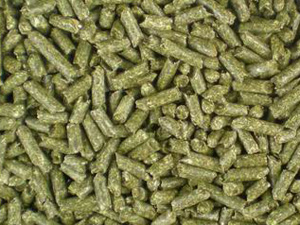
So in addition to the Carb Guard, he's getting 1/4 quart of alfalfa pellets AM + PM. If I like the way he's adding weight on that, and if it does the impossible and adds some energy even better! We can always keep adding that over the winter, and he can get some at lunch as a snack in the winter if he needs. I chose pellets over cubes or straight up hay because it's easy to give with his grain, and the barn keeps it on hand already.
The biggest question area going forward is how to handle hay and grass going forward. For now, I haven't made any real changes other than being careful about turnout when the sugar content of the grass is high. However, it's perfectly possible that I will have to really re-examine his options going forward.
So, for now:
2 flakes hay AM + PM
1.5Q of Carb Guard AM + PM
1/4Q of alfalfa pellets AM + PM
1 scoop High Point Custom Blend AM + PM
grass turnout or free choice hay
Tuesday, September 16, 2014
The New (New, New) Normal
Yesterday was not the best day ever.
I forced myself out of bed early to ride, and I was mounted by 7:10 am. It was 32 degrees, foggy, a crisp and damp morning. I had to be at work by 8:00 am (5 minutes away), so I only intended to do a mile. Tristan had already had his grain maybe 15 minutes previously; he was nibbling on his hay when I got there. He hadn't finished his grain, but had left the scrids of it mixed in with his supplements. Not totally out of the ordinary for him.


I forced myself out of bed early to ride, and I was mounted by 7:10 am. It was 32 degrees, foggy, a crisp and damp morning. I had to be at work by 8:00 am (5 minutes away), so I only intended to do a mile. Tristan had already had his grain maybe 15 minutes previously; he was nibbling on his hay when I got there. He hadn't finished his grain, but had left the scrids of it mixed in with his supplements. Not totally out of the ordinary for him.


There was a thick frost on the grass and I wore my winter tall boots. We went a mile in 19 minutes, just on the flattest of dirt roads and then on a loop up and around the outdoor. My goal right now is to just keep him moving for 20 minutes a day as my bare minimum. Most days we do far more than that, but today I just wanted to sneak in a quick ride before morning meetings and then have the afternoon at home to do some much needed cleaning & relaxing.
I put him back in his stall and pulled his saddle, He nosed his hay, and then pawed at it, and I could feel my stomach start to knot up. He pawed again. He circled his stall. Then he kicked at his belly with a hind leg, then the other hind leg, then he circled his stall. The bottom dropped out of my stomach.
I listened for gut sounds - quiet, but present. Under my hands as I was listening, I could actually feel him start to tuck up, feel those hard stomach muscles clench, and when I stepped back he had clamped his tail down tightly. I went to the other barn and found the trainer's barn manager, M., and asked her to come look at him when she got back from turning out the horse she was holding.
When I got back to his stall, his flanks had started shivering. This was maybe 10 minutes elapsed time after I'd put him back in his stall. I pulled him out and brought him in to the aisle and started pulling blankets off shelves. He ended up with an Irish knit, a wool cooler, and then a midweight on top of that, none of which were his or even close to his size. Under the blankets, he started full body shivering, and I reached for my phone.
The barn manager got back just as I started dialing for the vet, and while on the phone with her we took his temp - 97.9 - and tried to get a pulse. He's tricky to pulse at the best of times, and I fumbled the stethoscope repeatedly before handing it over to the barn manager, who couldn't get a good read either. I would get 3-4 beats and then lose it. It was clearly a little fast, but I couldn't put a number on it.
Vet and I decided to go ahead with IV banamine, and I told her I'd check in in 30 minutes. While I was on the phone with her he started visibly relaxing and his shivering slowed, even before he'd had the banamine. It eased up even more, and then he got 8ccs of banamine IV. I started walking him - he'd never shown any real inclination to go down, but it gave me something to do.
In another 5 minutes, he had totally stopped his shivering and was looking around and considerably perked up. I walked him for another 5 minutes, and then brought him back to his stall. He attacked his hay and cleaned up his grain, and then I removed his hay from his stall. He was pretty ticked about that, but then took a good long drink and peed up a storm. He hunted around for the last little scraps of hay and started kicking his door to be let out.
I went into storage and dug out his fleece cooler and turnout sheet, and pulled the borrowed blankets off him to swap for his own. He looked and acted 100% normal at that point, barely 45 minutes after the whole thing started. I went into the tack room to brief our barn manager (main barn and trainer's barn have different BMs; sounds confusing but actually works just fine, since trainer's BM goes south with her for winter).
A few minutes of conversation and we had fleshed out what the vet and I had thought: he got too cold. Many Cushings horses lose the ability to regulate their own body temperature. I knew this, and was watching him like a hawk in the summer, but he handled the really hot days just fine. It did not for a single second occur to me that cold might affect him more than heat. In any case, it wasn't really all that cold - it must have been high 20s at the barn overnight. That's chilly, but it's not downright cold, not relative to what it will be in January and February.
I left him to go to staff meeting, and when I got back he had been turned out in one of the round pens, which functions as a dry lot.

He's just to the left of the tree, in the light blue sheet. I checked in with him and he was happy and relaxed and just fine, nibbling on the hay bits on the ground. He was wearing the fleece cooler + turnout sheet (no lining) and it was about 45 degrees and sunny. I felt underneath the blanket and he felt cozy and warm - not too warm. If you'd told me this time last year that my horse would be wearing layers in 45 degree weather, and not sweating up a storm, I would've said you were crazy.
I put out a call on Facebook for some blankets, and as it turns out a good friend of mine - who was already planning on coming to give Tristan a massage tonight - has some that she'll bring. We'll go through what she has, and I'll see what gaps I still need to fill. I had a long conversation with the Smartpak customer service rep this morning and picked out a range of blankets that I will order tonight after seeing what J. brings.
sigh.
Wednesday, September 10, 2014
September Goals Preview
From my 2014 Outline:
However, we are officially committed to the GMHA Fall Foliage Ride on Sunday, September 28.
Modified goals: more fitness, for both of us. Add some dressage schools back in. Stick to the frequency of riding, keep track of everything in the ride calendar. On September 28, at the end of the month, re-evaluate everything based on a full month of pergolide + Cushings diet.
September
Lots of options for getting out and about this month, depending on how we want to structure it. Do we want to do more low key stuff, or do we want to show off a bit? Some really good schooling show options if we choose to go that route.
Possible events for riding or volunteering: Eddy Farm Schooling Three Phase (no dates yet), Equestry Schooling Dressage (no dates yet), East Hill Farm Schooling Dressage (no dates yet), GMHA Fall Hunter Pace (September 7), GMHA Horse Trials (September 13-14), GMHA Fall Foliage Ride (September 26-28)Yeah, there will be no showing off this month. There's nothing to show off.
However, we are officially committed to the GMHA Fall Foliage Ride on Sunday, September 28.
Modified goals: more fitness, for both of us. Add some dressage schools back in. Stick to the frequency of riding, keep track of everything in the ride calendar. On September 28, at the end of the month, re-evaluate everything based on a full month of pergolide + Cushings diet.
Sunday, August 31, 2014
Tristan's Eye Problems
As I've posted before, it's not unusual for Tristan's eyes to get weepy and itchy during the summer. He's had that challenge for as long as I've owned him.
This summer, however, we just can't keep on top of it. Our most recent bout meant a vet call; he got his tear ducts flushed, went on oral antihistamines, got steroid ointment in both eyes, and had an initial dose of banamine to get the swelling down.
About 10 days after that vet visit, his left eye started getting goopy and a little swollen again. Back on the oral antihistamines he went, and we started up regular flushing with saline solution. That was last Tuesday. Then he ran out of the oral antihistamines and the vet is having some trouble getting him more, so he went on a lower-powered one that the barn had around as a stop-gap.

This summer, however, we just can't keep on top of it. Our most recent bout meant a vet call; he got his tear ducts flushed, went on oral antihistamines, got steroid ointment in both eyes, and had an initial dose of banamine to get the swelling down.
About 10 days after that vet visit, his left eye started getting goopy and a little swollen again. Back on the oral antihistamines he went, and we started up regular flushing with saline solution. That was last Tuesday. Then he ran out of the oral antihistamines and the vet is having some trouble getting him more, so he went on a lower-powered one that the barn had around as a stop-gap.

Here's about what it looks like right now; photo taken on Thursday after flushing.
He's now wearing his fly mask 24/7, and has been switched back to the last few bales of the old hay. He actually seems to be making some progress on that regimen. The swelling is down slightly, as is the discharge. We've actually eased off on the regular saline flushes, which is happier for all concerned as he is a jackass about them. (I can't really blame him, honestly.) I'm examining the eye closely on a regular basis and the red irritation is easing. There's never been the slightest sign of cloudiness or any problems with the eye itself, both per the vet and my own continued monitoring.
The only thing I can think is that the Cushing's is depressing his immune system and leaving him more susceptible to eye problems. Probably he gets them slightly irritated from his normal allergies, and then rubs and rubs to itch them, and then escalates the problem. Hopefully as he settles in with the medication his own body will start to fight back a little better.
Friday, August 22, 2014
Pergolide, Day 1
This is just to say that this morning, Tristan got his first dose of pergolide. I'd been reading a lot about the "pergolide veil," and the nasty side effects horses can have when starting the drug, so I designed a very careful tapering system for him based on the advice from the ECIR group. Today, he starts with 0.25 mg, and he'll be up to the standard 1mg per day in about 10 days.
I'll longe him tonight. Last night, I dropped the pergolide off and gave him a thorough grooming and couldn't stop looking at his topline and neck and getting teary. He does not look good right now, and I can't believe it happened so quickly. Here's hoping that he'll pick right up soon.
I'll longe him tonight. Last night, I dropped the pergolide off and gave him a thorough grooming and couldn't stop looking at his topline and neck and getting teary. He does not look good right now, and I can't believe it happened so quickly. Here's hoping that he'll pick right up soon.
Thursday, August 21, 2014
The Grieving Process
So, Tristan has Cushing's. I'm reading, and reading, and reading as much as humanly possible.
Today, I came across a new piece of information that I hadn't had before.
Pergolide is listed as a banned substance on the USEF medications list. It can be considered a "therapeutic" drug, which means that it can be used under certain conditions:
- it must be used for a legitimate therapeutic use only, ie directly for treatment of a diagnosed illness;
- it must be withdrawn within 24 hours of competition;
- it must be stated with a report documenting therapeutic usage.
As best I can understand, this is because pergolide mimics dopamine in the equine system, which is what horses with Cushing's are missing. Here's an excellent COTH article outlining the biology at work.
I know that my chances of making it to a USEF/recognized show with Tristan were slim, but this dashes them entirely. I'm not willing to withdraw him from the medication in order to compete. There is an outside chance that I can rig the medication so that he gets it say 25 hours before a class and then immediately afterwards, or I can just show on it and keep my fingers crossed that he's tested, but neither of those options is a good one.
I'm sort of unexpectedly heartbroken, all over again. I'd been slowly accepting that my hopes to show him were fading with age, opportunity, and my own funds, but it was nice to have that out there, to think that someday I might take him to a USDF show for the heck of it.
Today, I came across a new piece of information that I hadn't had before.
Pergolide is listed as a banned substance on the USEF medications list. It can be considered a "therapeutic" drug, which means that it can be used under certain conditions:
- it must be used for a legitimate therapeutic use only, ie directly for treatment of a diagnosed illness;
- it must be withdrawn within 24 hours of competition;
- it must be stated with a report documenting therapeutic usage.
As best I can understand, this is because pergolide mimics dopamine in the equine system, which is what horses with Cushing's are missing. Here's an excellent COTH article outlining the biology at work.
I know that my chances of making it to a USEF/recognized show with Tristan were slim, but this dashes them entirely. I'm not willing to withdraw him from the medication in order to compete. There is an outside chance that I can rig the medication so that he gets it say 25 hours before a class and then immediately afterwards, or I can just show on it and keep my fingers crossed that he's tested, but neither of those options is a good one.
I'm sort of unexpectedly heartbroken, all over again. I'd been slowly accepting that my hopes to show him were fading with age, opportunity, and my own funds, but it was nice to have that out there, to think that someday I might take him to a USDF show for the heck of it.
Wednesday, August 20, 2014
New Challenges: Cushing's Diagnosis
I feel like this blog could just become a neverending round of "hey so here's another vet visit!"
I've been sitting on this announcement for about a week, because while it does help me with some answers, it's also kind of heartbreaking and difficult for me to process.
Two weeks ago, when the vet was out to take x-rays of Tristan's RF, she took one look at him and wanted to draw blood for a Cushing's test. More accurately, she wanted to test ACTH levels, which are indicative of a malfunctioning pituitary gland, which is the cause of Cushing's Syndrome.
Bloodwork came back last Tuesday. Normal ACTH levels are 9-35; Tristan is at 47.8. Definite positive.
I've been swinging wildly back and forth since then. On the one hand, it's a low positive, and he only has some mild symptoms that are very recent. He's still relatively young at 19, and he has a very good chance of responding positively to medication and being eminently manageable. Right now is typically considered a "high" time of year for ACTH levels, and they're usually more elevated than is typical, so even a low positive will be lower over the winter.
On the other hand, he's 19. Cushing's is typically an old horse disease. The very idea of Tristan as an old horse sends me into a horrible tailspin of anxiety, depression, and terror. I can't even touch briefly on the idea that maybe someday my life won't include him. My brain shuts down.
I've taken the first steps at management, emailing back and forth with the vet. We've switched his grain to Blue Seal's Carb Guard. For now, he's on limited grass and we've made no changes to his hay. His pergolide is on order, though it is delayed.
His biggest outward symptom is muscle wasting. With that in mind, I've been rethinking my riding program. I need to ride more often, and I need to focus more on long slow muscle building. I'm pushing to get out and walk the big hay field almost every day, which is about 40 minutes of hills, either up or down. Hopefully a balance of that with some longeing and dressage mixed in will keep him mentally with me (usually he burns out pretty quickly on a more intense schedule) and will let him build muscle. Once he gets on the pergolide, I hope we can give him the support he needs to really get it back.
I've been sitting on this announcement for about a week, because while it does help me with some answers, it's also kind of heartbreaking and difficult for me to process.
Two weeks ago, when the vet was out to take x-rays of Tristan's RF, she took one look at him and wanted to draw blood for a Cushing's test. More accurately, she wanted to test ACTH levels, which are indicative of a malfunctioning pituitary gland, which is the cause of Cushing's Syndrome.
Bloodwork came back last Tuesday. Normal ACTH levels are 9-35; Tristan is at 47.8. Definite positive.
I've been swinging wildly back and forth since then. On the one hand, it's a low positive, and he only has some mild symptoms that are very recent. He's still relatively young at 19, and he has a very good chance of responding positively to medication and being eminently manageable. Right now is typically considered a "high" time of year for ACTH levels, and they're usually more elevated than is typical, so even a low positive will be lower over the winter.
On the other hand, he's 19. Cushing's is typically an old horse disease. The very idea of Tristan as an old horse sends me into a horrible tailspin of anxiety, depression, and terror. I can't even touch briefly on the idea that maybe someday my life won't include him. My brain shuts down.
I've taken the first steps at management, emailing back and forth with the vet. We've switched his grain to Blue Seal's Carb Guard. For now, he's on limited grass and we've made no changes to his hay. His pergolide is on order, though it is delayed.
His biggest outward symptom is muscle wasting. With that in mind, I've been rethinking my riding program. I need to ride more often, and I need to focus more on long slow muscle building. I'm pushing to get out and walk the big hay field almost every day, which is about 40 minutes of hills, either up or down. Hopefully a balance of that with some longeing and dressage mixed in will keep him mentally with me (usually he burns out pretty quickly on a more intense schedule) and will let him build muscle. Once he gets on the pergolide, I hope we can give him the support he needs to really get it back.
Thursday, August 7, 2014
What the Vet Found
You may remember that about three weeks ago, my farrier raised some concerns about the way Tristan's RF was growing out and healing. Based on his experience, he felt very strongly that Tristan had a keratoma growing within his hoof.
Yesterday, I arranged for my vet to meet my farrier at the barn, and we did a full workup on Tristan. I also had a list of other concerns; I was worried that his topline wasn't building the way it should, and wanted to ask about supplementing with alfalfa cubes, and had a few other miscellaneous questions. (The most important answer: yes, you can add bute while a horse is on Pentosan.)

We started by longeing him, and I explained that I felt he was actually moving pretty well: lazy, but evenly and without obvious hitch. Slightly stiff, and tracking ever so slightly behind on the RH, but nothing that would even rise to the level of concern. We walked, trotted, and cantered, and then tested the trot/canter transitions. Then the vet took him in hand and spun his hind end to watch how he crossed over.
We did not flex. I can practically guarantee that Tristan would not flex clean, and to be strictly honest? I don't need him to. He is functionally sound and comfortable in the level of work he does. I'm still not sure if he'll jump again, and he certainly won't ever get to the level of dressage work that would require the carrying and thrust that would start to trouble him.
The vet agreed with me that he looked pretty darn good in his movement. Certainly he was just fine on that RF.
What's the catch? Well, when I asked about his topline, and we brought him out into the sunlight, the vet was immediately concerned. Keep in mind she saw him in March for spring shots, and before that in the fall, and then the previous summer and spring every 2-3 weeks for surgery follow up. She knows him pretty darn well, and she's a brilliant vet with an excellent diagnostic eye.
She didn't even hesitate. "I'm pulling blood right now, and we're going to test for Cushings. Even if he doesn't test positive, I'd like to start him on Pergolide. He looks terrible."
Keeping in mind that my vet is very blunt! Tris does not look like the picture of your typical Cushings horse, but he is 19 and he has a distinct lack of muscling on the topline. When we tossed the idea back and forth, other things fit with the picture. He's been urinating much more than usual over the last 6 months. He's been coughing more often in warmup over the last 2 months.

It's very early days yet, and Cushings is a very manageable condition. We should have results back next week. If his levels come back totally normal, the vet wants to pull more blood for general CBC panel and make sure everything else is adding up for him.
PSA moment: yesterday was a perfect example of why you should have a vet take a look at your horse once or even twice a year. I had a vague, pit-of-my-stomach feeling that things were not trending well with Tristan, but it took the vet who hadn't seen him in 4 months to immediately recognize the changes that had occurred in those 4 months. She had passed him with flying colors in March - even making a point of saying he looked terrific - and was able to clearly compare the horse in front of her with Tristan from March.
I admit, I was reeling a bit from her immediate diagnosis and all the research I was going to have to do to start managing him, and then we moved into part 2 of the day's fun and games.
The farrier and vet first conferred about why the farrier suspected a keratoma: the bulge in Tristan's hoof, and drainage holes at the toe. Farrier pulled the shoe, and we set down to work to take some x-rays.


Yesterday, I arranged for my vet to meet my farrier at the barn, and we did a full workup on Tristan. I also had a list of other concerns; I was worried that his topline wasn't building the way it should, and wanted to ask about supplementing with alfalfa cubes, and had a few other miscellaneous questions. (The most important answer: yes, you can add bute while a horse is on Pentosan.)
Waiting for the vet.
We started by longeing him, and I explained that I felt he was actually moving pretty well: lazy, but evenly and without obvious hitch. Slightly stiff, and tracking ever so slightly behind on the RH, but nothing that would even rise to the level of concern. We walked, trotted, and cantered, and then tested the trot/canter transitions. Then the vet took him in hand and spun his hind end to watch how he crossed over.
We did not flex. I can practically guarantee that Tristan would not flex clean, and to be strictly honest? I don't need him to. He is functionally sound and comfortable in the level of work he does. I'm still not sure if he'll jump again, and he certainly won't ever get to the level of dressage work that would require the carrying and thrust that would start to trouble him.
The vet agreed with me that he looked pretty darn good in his movement. Certainly he was just fine on that RF.
What's the catch? Well, when I asked about his topline, and we brought him out into the sunlight, the vet was immediately concerned. Keep in mind she saw him in March for spring shots, and before that in the fall, and then the previous summer and spring every 2-3 weeks for surgery follow up. She knows him pretty darn well, and she's a brilliant vet with an excellent diagnostic eye.
She didn't even hesitate. "I'm pulling blood right now, and we're going to test for Cushings. Even if he doesn't test positive, I'd like to start him on Pergolide. He looks terrible."
Keeping in mind that my vet is very blunt! Tris does not look like the picture of your typical Cushings horse, but he is 19 and he has a distinct lack of muscling on the topline. When we tossed the idea back and forth, other things fit with the picture. He's been urinating much more than usual over the last 6 months. He's been coughing more often in warmup over the last 2 months.
It's very early days yet, and Cushings is a very manageable condition. We should have results back next week. If his levels come back totally normal, the vet wants to pull more blood for general CBC panel and make sure everything else is adding up for him.
PSA moment: yesterday was a perfect example of why you should have a vet take a look at your horse once or even twice a year. I had a vague, pit-of-my-stomach feeling that things were not trending well with Tristan, but it took the vet who hadn't seen him in 4 months to immediately recognize the changes that had occurred in those 4 months. She had passed him with flying colors in March - even making a point of saying he looked terrific - and was able to clearly compare the horse in front of her with Tristan from March.
I admit, I was reeling a bit from her immediate diagnosis and all the research I was going to have to do to start managing him, and then we moved into part 2 of the day's fun and games.
The farrier and vet first conferred about why the farrier suspected a keratoma: the bulge in Tristan's hoof, and drainage holes at the toe. Farrier pulled the shoe, and we set down to work to take some x-rays.
Farrier had these super-nifty lifts rather than the vet's blocks!
We spent a good 20-30 minutes taking shots, looking at them closely, and then taking more shots from different angles. Vet needs to take a good long look at the x-rays at home, but on initial examination, everything looks clean.
Here's the neat thing: the farrier was 100% correct in what he detected. What he did not realize (or did not remember - since I had sent him the surgery x-rays before) was that Tristan's coffin bone was already compromised, that it had been carved up quite a bit during the surgery. The farrier was absolutely spot on in recognizing the subtle changes that came in Tristan's hoof once he was missing a piece of his coffin bone. I already knew I really liked the farrier, but I am HUGELY impressed.
What we'll have to do is compare the x-rays the vet took with the immediate post-surgery x-rays to make sure there is no additional bone resorption or remodeling. Vet and farrier both agreed, however, that if a keratoma really had formed at the coronet band and traveled down to the dark spot on the x-ray, Tristan would be very lame, and he's just not.
VERY good pony getting his shoe back on.
The one remaining question mark is the drainage holes in Tristan's toe. They definitely shouldn't be there. They are tiny, but they are there. I offered to soak, and vet and farrier thought that wouldn't do much good. The farrier ended up packing the toe with Magic Cushion and putting the shoe back on. Vet said that if Tristan does come back positive for Cushings, that would explain why the drainage holes aren't closing - his immune system is compromised.
So here's the takeaway:
- his foot is almost certainly fine, whew
- he almost certainly has Cushings, in the very early stages
- bloodwork will come back next week, and then we will start him on a low dose of pergolide
- I'll take an in-depth look at his diet and most likely switch his grain. Right now he's on Blue Seal Sentinel Senior, which I mostly like - but which according to some internet sources is fairly high in NSC, which he'll have to stay away from. Look for research posts about this in the future.
Subscribe to:
Posts (Atom)